RESTORING VS REPLICATING: HOW TO DISPLAY HERITAGE OBJECTS
Date:
May 26
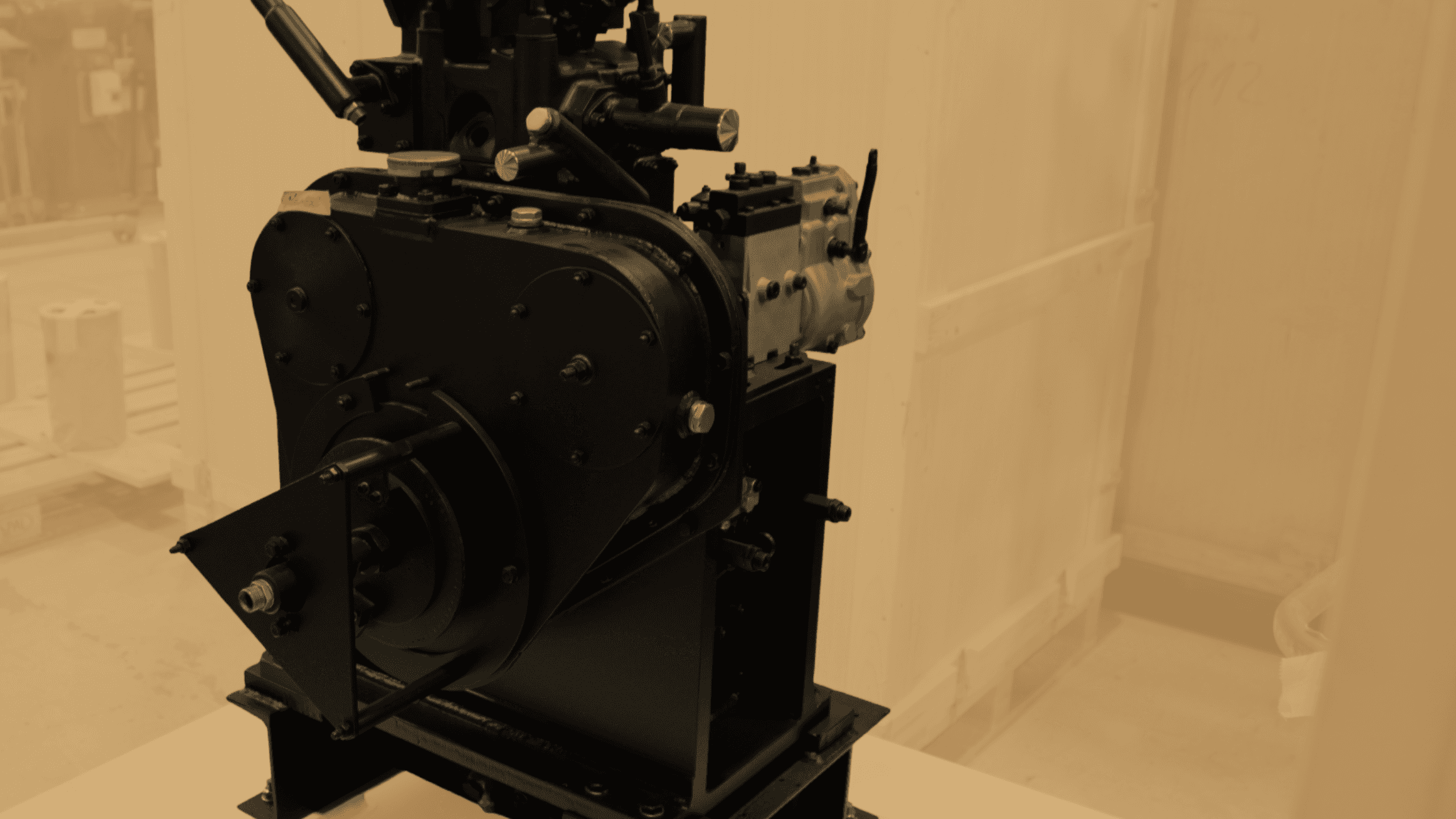

When it comes to displaying heritage objects, there are usually two main options: restoring an original piece or replicating a model version.
Both approaches have their place. Heritage is about more than appearance; it is about preserving history, telling a story, educating audiences, and showing the journey from past to present. Whether the goal is to protect something original, create an engaging museum display, or showcase a company’s engineering heritage, the purpose of the project will ultimately shape the right solution.
At EF Engineering, we create impactful displays seen by thousands of people around the world. From museums and permanent installations to trade shows and corporate heritage displays, every project matters to us. Our role is not just to manufacture or restore, but to help solve the challenge of how best to present your piece, balancing practicality, storytelling, transport, and finish.
When Restoration Is the Right Choice
Restoration means working with an original object, often something rare, fragile, or no longer in production. Because supply is limited, it is essential to get the process right.
Dealing with the Impact of Ageing While Preserving Character
One of the most common challenges with older pieces is rust. This is especially true for items that have been stored for long periods or in poor conditions.
While some surface wear can add authenticity and character, heavy corrosion can hide important details that are essential to the storytelling. Depending on the purpose of the display, our team can carefully remove rust without the use of harsh chemicals, helping to preserve the integrity of the original piece while improving presentation.
You can read more about this process in our From Rust to Remarkable blog [link: https://www.ef-engineering.co.uk/a-rusty-revival/].
Recreating the Original Finish
Sometimes restoration is not about making something look brand new, but about returning it to the right point in its history.
Working with our sister company, Revelare [link: www.revelare.co.uk], specialists in liquid metal and decorative finishes, we can create accurate paint finishes that reflect the original appearance of the object. This could mean matching an aged industrial finish, recreating a discontinued paint colour, or restoring a polished “show-ready” appearance.
The right finish protects the piece while ensuring it tells the right story.
Bespoke Display Stands for Fragile or Valuable Pieces
In some cases, the best option is not full restoration but careful presentation.
For fragile pieces or where age and wear are part of the historical value, we can simply clean, preserve, and mount the object on a bespoke display stand. These stands are designed around the needs of the object and the space, whether that means hidden castors for movement, specialist finishes, or a structure that supports unusual weight and shape requirements.
The result is a display that protects the object while allowing it to be appreciated properly.
When a Replica Makes More Sense
Sometimes the original piece is unavailable, too fragile to move, or simply impractical for the purpose of the display. In these cases, replication can be a better solution.
Modifying Existing Products
As products evolve, the differences between generations can often be small but important.
Where a historic version is no longer available, we can take a newer model and modify it using fabricated or supplied parts to recreate the earlier design. This can be a practical and cost-effective option for businesses looking to display legacy products without commissioning a full fabrication.
It keeps the authenticity of the real product while solving availability issues.
3D Printing and Specialist Finishing
Our in-house 3D printing capability allows us to replicate accurate models ready for finishing by our team.
These pieces are printed in the required plastic and plastic composite, then prep and paint or coat with a liquid metal finish [https://www.revelare.co.uk/guide-to-liquid-metal/] to achieve the required appearance. One of the biggest advantages is weight reduction. The plastic core, combined with a micron-thin liquid metal finish, creates the look and feel of solid metal without the transport challenges or structural limitations of a full metal piece.
This is particularly useful for museums, travelling exhibitions, and office displays where weight and installation matter.
Fabrication for Complex Projects
Some projects require more than replication or printing.
Where fabrication is needed beyond our in-house capability, we work with a trusted network of specialist partners covering everything from metalwork to die-casting. EF Engineering manages the full project, ensuring quality control, clear communication, and a consistent finish throughout.
This means clients have one trusted partner managing the process, rather than multiple suppliers to coordinate, and you get the excellent standard expected from EF Engineering.
Making Sure It Arrives Safely
Whether restored or replicated, the final challenge is making sure the piece arrives safely, on time, and ready for display.
Custom Crating
Every project is different, so every crate should be too.
We design and build custom transport crates for each piece, ensuring protection during shipping and ease of handling on arrival. Delicate items are carefully padded and secured to absorb movement during transport, while larger pieces are designed for safe movement using forklift trucks where needed.
Working with Exhibition Freighting
For international projects, we work closely with our logistics partner, Exhibition Freighting [link: https://www.exhibitionfreighting.co.uk/].
Their team manages the complex side of shipping, including paperwork, customs, ports, and delivery schedules, ensuring displays arrive where they need to be without unnecessary stress for the client.
This partnership allows us to confidently support projects both in the UK and worldwide.
Setup and On-Site Support
Delivery is only part of the process.
We also support installation and setup, ensuring the display is positioned correctly and presented exactly as intended. For UK projects, our team can handle installation directly, while international projects are supported alongside Exhibition Freighting.
Where needed, we also provide setup guides and training to support future handling.
Your Trusted Partner for Heritage Displays
At EF Engineering, we understand that heritage displays are rarely straightforward. Every project comes with different challenges, whether that is preserving a fragile original, replicating a missing piece, managing multiple suppliers, or ensuring safe transport across the world.
Our role is to solve those problems.
From project management and regular reporting to replication, fabrication, finishing, and installation, we work in the way that suits you best. Whether you are a museum creating an educational display or a business showcasing your engineering heritage, we are here to help you achieve the right result.
When it comes to restoring or recreating heritage pieces, EF Engineering is your trusted partner. If you would like to discuss a project or learn more, contact John at info@ef-engineering.co.uk.